
Program Details at Palm Valley
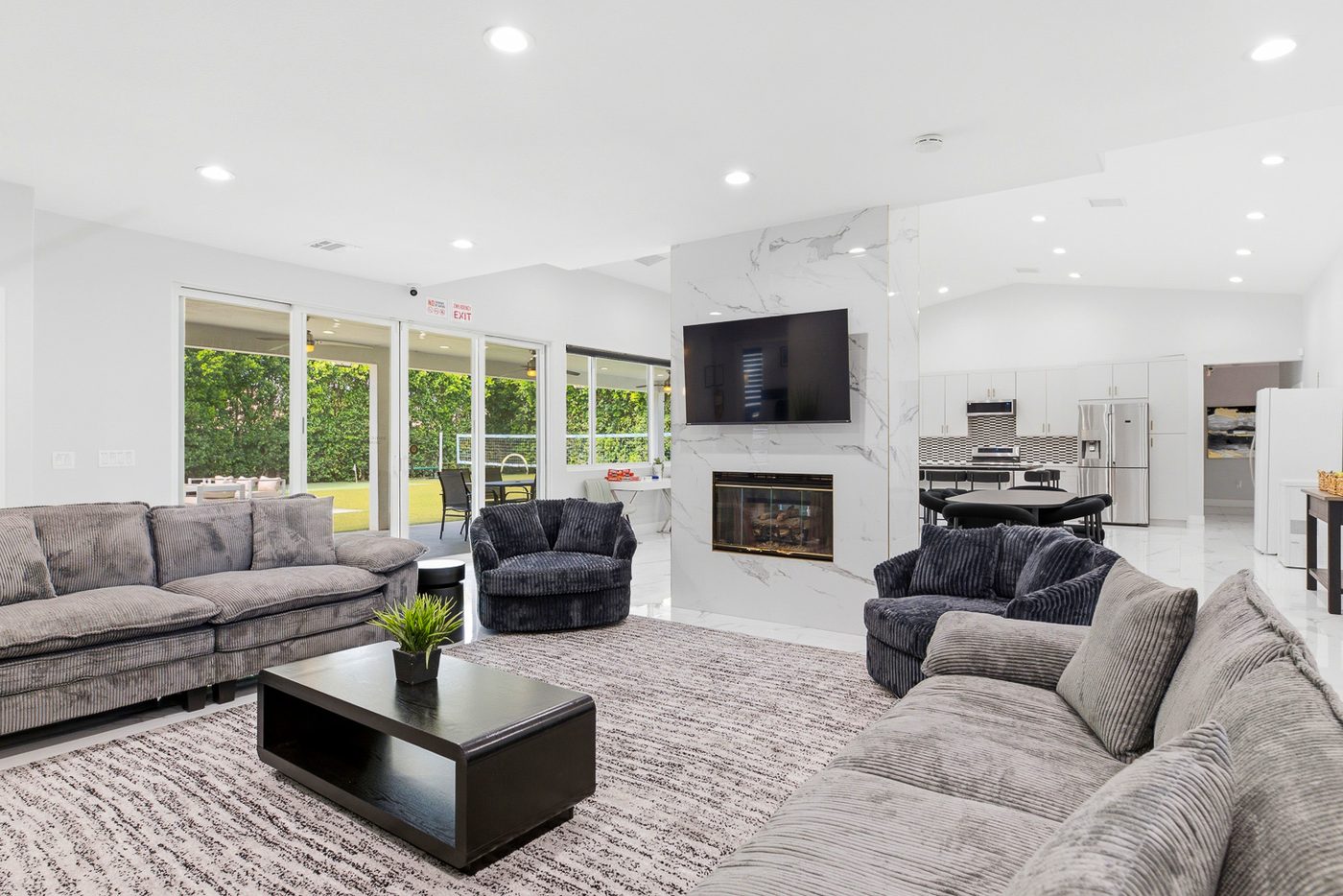
Palm Valley’s residential program offers adults a calm, supportive environment to step away from the pressures of everyday life and focus fully on healing. Our homes are intentionally designed to feel comfortable, peaceful, and personal — with a limited number of residents at a time so every individual receives thoughtful, individualized care and attention.
Or call (442) 435-0873
What Residential Care Is
An Immersive Setting for Lasting Healing
Residential care is a structured, 24-hour level of treatment for adults whose mental health needs are better met outside the rhythms of daily life. comfortable, home-like setting with a small number of other residents, surrounded by a clinical team that is available around the clock.
Unlike outpatient or weekly therapy, residential care removes the daily pressures — commutes, deadlines, the cues and stressors of home — that can keep recovery just out place is a steady daily structure of individual therapy, group work, psychiatric care, and the small rituals (shared meals, quiet evenings, time outdoors) that help the nervous system settle and healing take root.
Most residential stays range from 30 to 90 days, depending on each person’s clinical needs and progress. Treatment plans are reviewed regularly with your care team and adjusted along the way — ensuring you receive the right level of support for as long as it’s truly needed.
Why It Works
Clinical research continues to show what we witness every day at Palm Valley — that high-quality residential treatment can create deeper, more lasting outcomes than outpatient care alone is often able to provide.
Length of Stay Matters
Studies of residential behavioral health treatment consistently find that residents who complete 60 to 90 days are substantially more likely to maintain recover those who leave early.
Integrated Care Wins
Many residents arrive navigating multiple, overlapping mental health challenges. Treating those concerns together — rather than separately or in isolation — often leads to more meaningful, lasting progress and overall well-being.
Aftercare Predicts Success
One of the strongest predictors of lasting progress after residential treatment is ongoing support through step-down care, such as outpatient therapy, peer support, and continued clinical connection. That transition plan begins during treatment — not after discharge — helping residents leave with a strong foundation for continued healing.
Family Involvement Deepens Healing
Programs that actively involve family members through therapy, education, and ongoing support often lead to stronger long-term outcomes and a more supported recovery experience for residents.
A Day in Residential
What a Stay Looks Like
Residential life is intentionally structured to create a steady rhythm of therapy, connection, wellness, and rest — giving residents the consistency and stability needed for healing and personal growth.
Mornings: Grounding & Therapeutic Support
Each day begins with a shared breakfast, morning check-ins, and therapist-led groups focused on skills such as mindfulness, emotional regulation, and healthy coping strategies. Residents also participate in individual therapy sessions designed to support personal growth and clinical progress.
Afternoons: Therapy, Wellness & Personalized Care
Afternoons combine specialized clinical services — including trauma therapy, family sessions, and psychiatric support — with wellness-focused activities such as yoga, art therapy, mindfulness, and time outdoors. Every resident’s experience is thoughtfully tailored to their individual needs, goals, and healing process.
Evenings: Connection & Restoration
Evenings offer time to slow down and reconnect through shared meals, optional peer support or process groups, and quiet personal time to read, journal, speak with loved ones, or simply rest. Clinical staff remain available throughout the night, providing ongoing support and reassurance whenever needed.
Inside the Program
Services Provided During Your Stay
Every resident’s plan is unique, but the full clinical toolkit is available to everyone who walks through our doors.
Individual Therapy
Weekly (or more frequent) one-on-one sessions with your primary therapist anchor the entire treatment plan and integrate every other piece of the work.
Group Therapy
Small, facilitator-led groups happen daily — skills-based (CBT, DBT, relapse prevention) and process-oriented, where shared experience is part of the medicine.
Family Therapy & Education
With your consent, family members participate in therapy sessions and weekly education programming so recovery is reinforced — not undermined — at home.
Psychiatric Care
Board-certified psychiatric providers offer regular evaluation and thoughtful, conservative medication management — always integrated with therapy, never separate from
Trauma-Focused Therapies
Specialized clinicians use EMDR, CPT, and somatic approaches to help residents process trauma at a safe, sustainable pace — the goal is release, not re-living.
Holistic & Wellness Care
Yoga, mindfulness, art therapy, journaling, and time outdoors are woven into the week — not as extras, but as part of how the nervous system learns a new baseline.
Nutritional Support
Meals are prepared on-site and shared together as part of a steady daily rhythm — balanced, nourishing food that supports the body while the real work of recovery takes place.
24/7 Clinical Supervision
Trained staff are present around the clock. Whether it’s a hard middle-of-the-night moment or a question over morning coffee, there’s always someone available who
Case Management & Aftercare
Discharge planning begins on day one. Your case manager helps build the bridge home — step-down care, outpatient therapy, peer support, community connections.
Who Residential Is For
Is Residential Care the Right Fit?
Residential care is often the right level of support for adults who:
- Have tried outpatient or weekly therapy and need a deeper, more structured environment to make real progress.
- Are managing serious mental health symptoms — depression, anxiety, bipolar disorder, PTSD — that have begun to interfere with daily life.
- Are stepping down from an inpatient hospitalization and need continued, intensive support before returning home.
- Have co-occurring conditions where more than one diagnosis benefits from being treated together rather than in pieces.
Not sure if it’s the right fit? Our admissions team offers a free, confidential clinical assessment to help you decide.
Common Questions
Residential Care FAQ
How long is a typical residential stay?
Most stays last 30 to 90 days, though length is set by clinical need rather than a fixed schedule. Your treatment team reviews progress regularly and adjusts your plan w discharge planning built in from day one.
What should I bring with me?
Comfortable clothing for about a week, toiletries, any prescribed medications in their original containers, a journal if you like to write, and a few personal comforts ( photos). We’ll send a full packing list when you’re admitted, including what to leave at home.
Can my family visit?
Yes. With your consent, family members can participate in scheduled family therapy sessions and visit during designated times. We also offer family education programming understand what residential treatment involves and how to support your recovery at home.
Can I use my phone or laptop?
Limited phone and device access is available during designated times. We balance the need to stay connected to loved ones with the value of stepping away from the constant work and social media during treatment. Your clinical team will work with you if circumstances call for more flexibility.
Will my insurance cover residential care?
We work with most insurance carriers and will verify your benefits at no cost before admission. We’ll walk you through any potential out-of-pocket cost may look like, and what options are available if coverage is limited.
What happens after I complete residential treatment?
Discharge and aftercare planning begin early in the treatment process so every resident leaves with a clear, supportive next step. Many individuals transition into outpatient care, continued therapy, or other community-based support services to help maintain progress and stability after residential treatment. Our goal is to make the transition home feel gradual, supported, and sustainable — never abrupt.
How do I get started?
Call us at (442) 435-0873 or complete our confidential contact form to connect with our admissions team. A member of our staff will reach out promptly to answer questions, learn more about your needs, and help guide you through the next steps.
We Accept Major Insurance Carriers
Cigna
Aetna
Blue Cross Blue Shield
AmeriHealth
UnitedHealthcare
Anthem
Confidential · Compassionate
Get Started Today
Our dedicated admissions specialists and experienced clinicians are readily available to provide confidential consultations, ensuring that your unique circumstances are thoroughly understood and addressed with the utmost care and discretion.